



Which polish do I need? The complete guide for every paint finish
Are you planning to polish a car but unsure which polish to use? The right polish can make all the difference to the final result. Each polish has its own level of cutting power and is designed for a specific application. Choosing the right one depends on the condition of the paintwork and the finish you want to achieve. Are you looking to remove light swirl marks and wash scratches, or are you dealing with deeper scratches, oxidation, or sanding marks? In this blog, we explain which polish is best suited to different types of paint defects, when to choose a heavy-cut or fine polish, and which products from the Cartec Refinish range are the best match for the job.
What is a polish?
A polish is a paint correction product designed to refine the clear coat and remove paint imperfections. Depending on its level of cutting power, a polish can eliminate swirl marks, wash scratches, oxidation, sanding marks, and other surface defects. The result is a smoother paint surface with enhanced gloss and improved reflection.
Polishes vary in both cutting ability and finishing performance. A heavy-cut compound is ideal for removing more severe paint defects, while a fine finishing polish refines the surface and enhances gloss, leaving a flawless finish.
How do you determine which polish you need?
Before choosing a polish, it’s important to assess the condition of the paintwork and the result you want to achieve. Not every paint defect requires the same level of correction. Light swirl marks and minor surface imperfections can often be removed with a fine polish, while deeper scratches, oxidation, and sanding marks usually require a more aggressive compound.
The type of paint, polishing pad, and machine you use will also influence the final result. That’s why it’s always recommended to perform a test spot on a small section of the paintwork first. This allows you to identify the combination that provides the right level of correction while still delivering a clean, high-quality finish.
Choosing the right polish for every paint correction job
Which polish should you use for deep scratches?
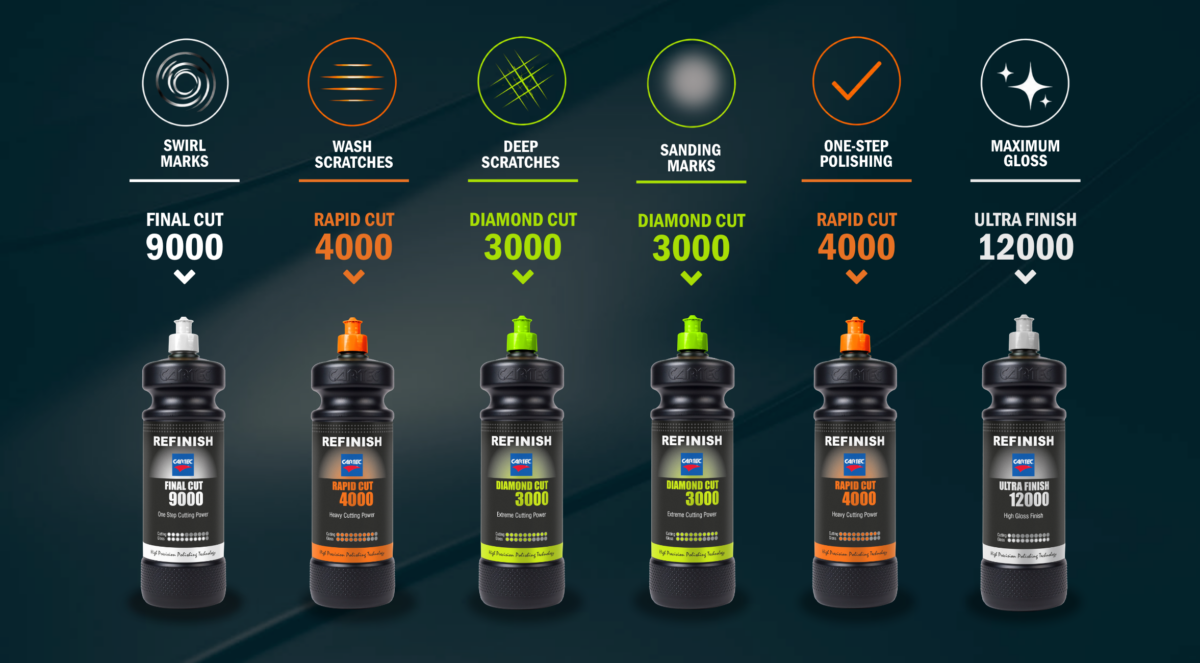
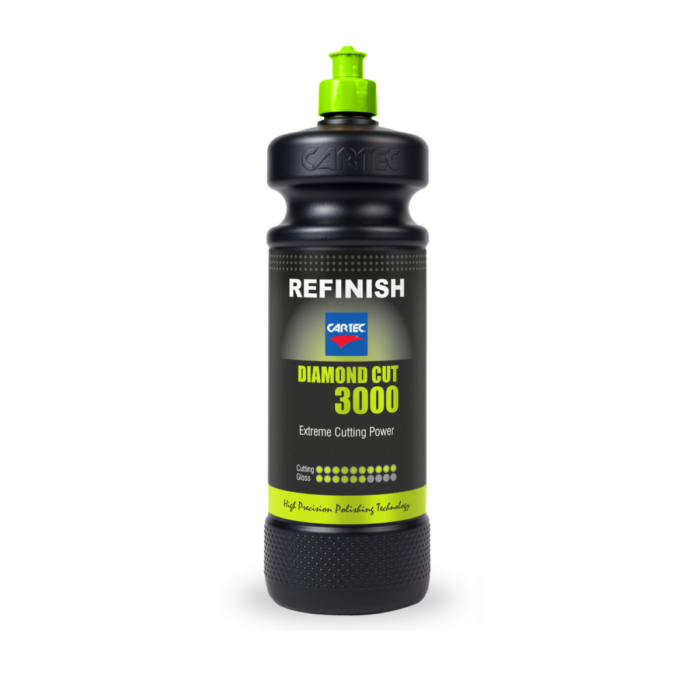 For deep scratches, oxidation, and sanding marks, a heavy-cut compound such as Diamond Cut 3000 is the ideal choice. This high-performance polish is designed for intensive paint correction and is often used as the first step in a multi-stage polishing process.
Suitable for:
- Deep scratches
- Heavily weathered paintwork
- Oxidation
- Sanding marks
- Intensive paint correction
Which polish should you use for swirl marks and wash scratches?
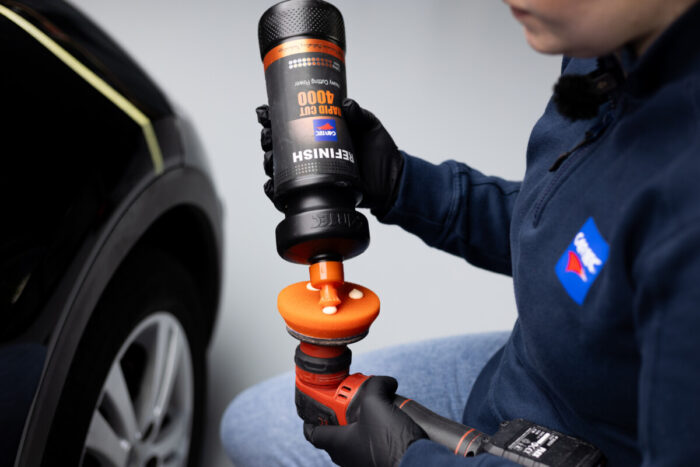
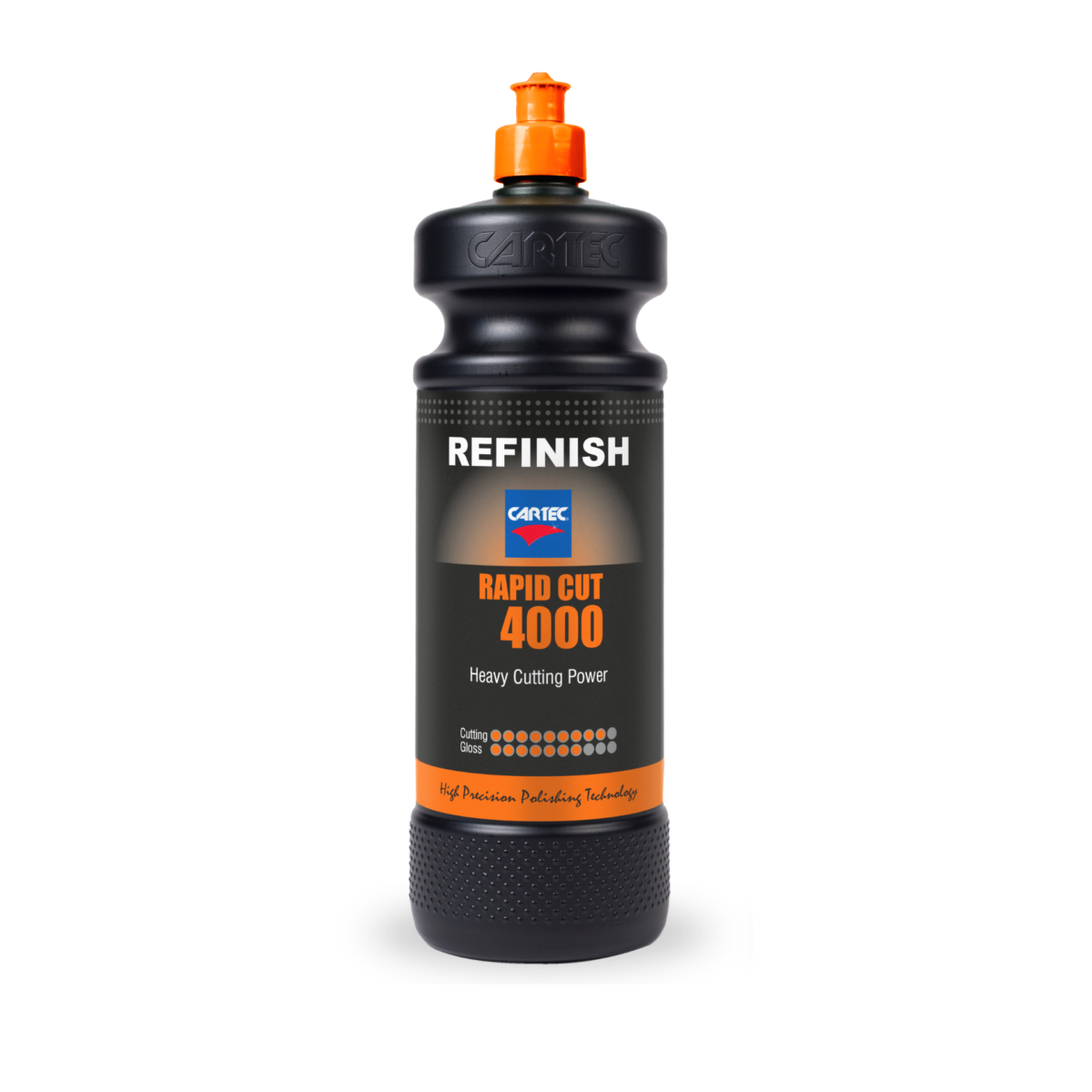 For swirl marks, wash-induced scratches, and moderate paint defects, Rapid Cut 4000 is an excellent option. This medium-cut polish offers the perfect balance between correction and gloss, leaving a refined finish in a single step. As a result, it is also highly suitable for one-step paint correction treatments.
Suitable for:
- Wash scratches
- Swirl marks
- Light oxidation
- One-step paint correction
Which polish schould you use for holograms?
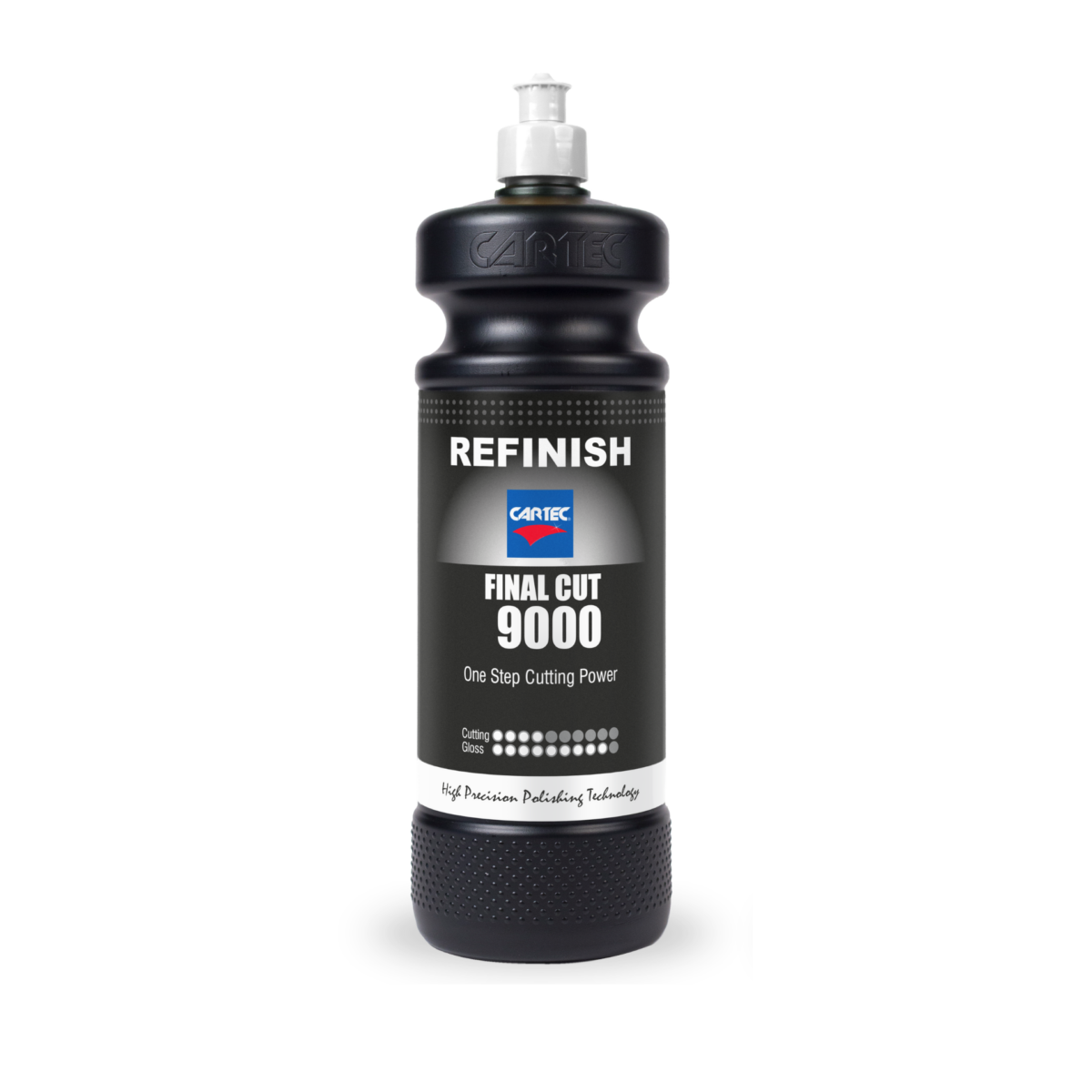 To remove holograms and light polishing marks, use a finishing polish such as Final Cut 9000. Its fine abrasive technology refines the paint surface, enhances clarity, and delivers a deep, high-gloss finish.
Suitable for:
- Removing holograms
- High-gloss finishing
- Dark paint colours
- Preparing the surface for wax or ceramic coating application
Which polish should you use for maximum gloss?
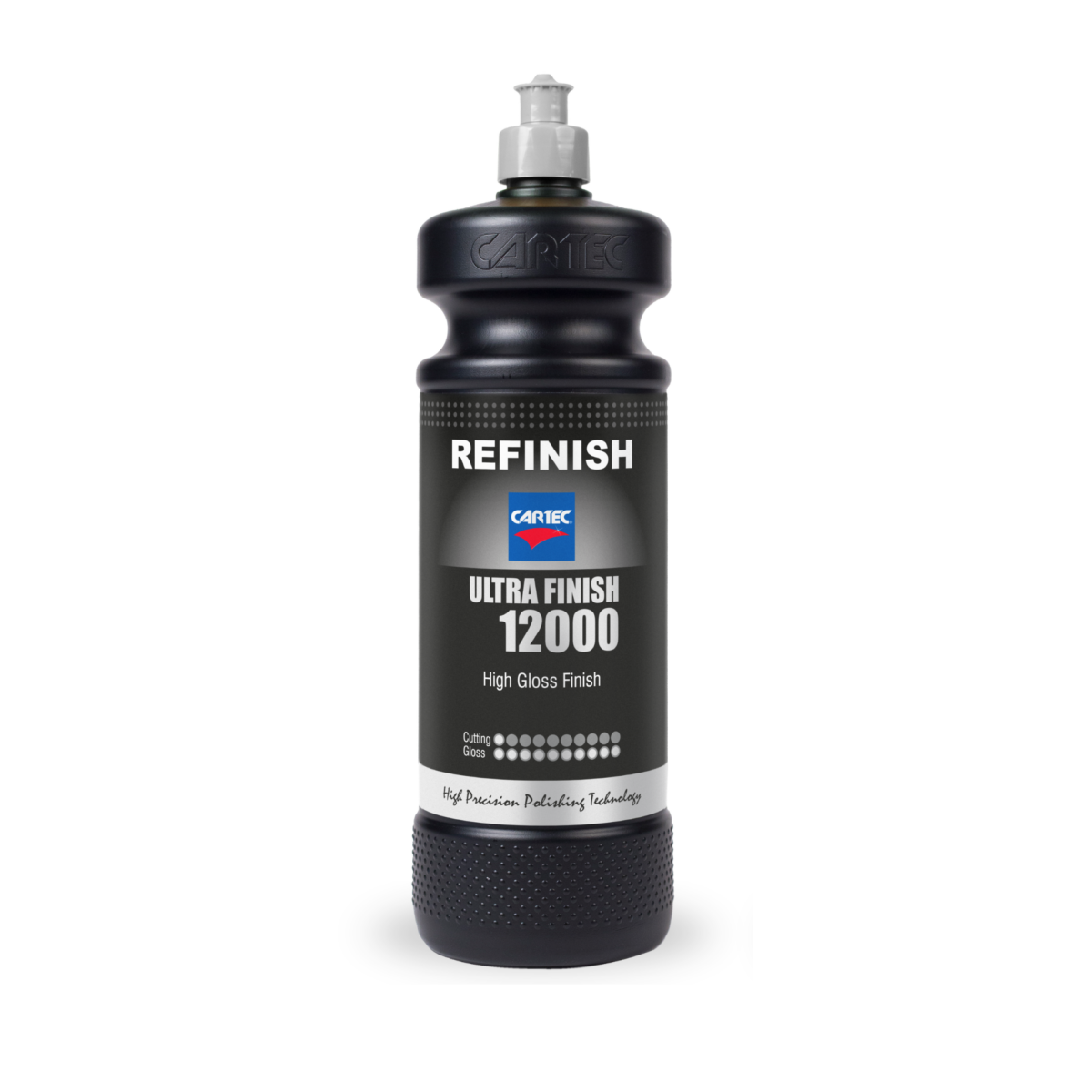 For maximum reflection and the ultimate finish, choose Ultra Finish 12000. This ultra-fine finishing polish refines the paintwork to an exceptional level of gloss and is the perfect choice when only the very best finish will do.
Suitable for:
- Show cars
- Dark paint colours
- Maximum gloss
- Ultimate finishing work
Which polishing pad do you need?
Choosing the right polishing pad is just as important as selecting the right polish. The combination of pad and polish determines the level of paint correction you can achieve and the quality of the final finish.
There are several types of polishing pads, each designed for a specific purpose:
- Wool pads offer the highest level of cutting power and are ideal for removing deep scratches, sanding marks, and severe paint defects.
- Microfiber pads combine strong correction performance with an excellent finish, making them a great choice for quickly correcting moderate to severe paint imperfections.
- Foam pads are available in different levels of firmness. Firm foam pads are used for heavy correction, medium foam pads are ideal for all-round polishing, and soft finishing pads are designed to remove light holograms and maximise gloss.
For the best results, it is important to match the polishing pad to both the polish you are using and the condition of the paintwork. In this blog, we explain in detail which polishing pad is best suited for each application and how to choose the right pad and polish combination: